Communal Area Cleaning: A Practical Approach to Safer, Cleaner Shared Spaces
Communal area cleaning is one of the most important services for keeping shared environments healthy, presentable, and comfortable. Whether it is a residential block, office building, student accommodation, retail center, or mixed-use property, communal area cleaning plays a key role in creating a positive first impression and supporting everyday wellbeing. Clean stairwells, polished floors, sanitized touchpoints, and tidy entrances do more than look good — they help reduce germs, improve safety, and make a property feel properly managed.
In busy shared buildings, dirt and clutter accumulate quickly. Foot traffic brings in dust, mud, and debris. Handrails collect fingerprints. Lobbies and corridors become high-contact zones. Without regular communal area cleaning, these spaces can feel neglected and may even become a source of complaints from residents, visitors, or tenants. That is why a structured cleaning routine matters for both appearance and hygiene.
From a property management perspective, communal area cleaning is not just a cosmetic task. It supports compliance, extends the life of surfaces, and helps protect the value of the building. For residents and occupants, it improves the daily experience of using shared spaces. For businesses, it contributes to professionalism and workplace morale. In short, effective communal area cleaning delivers practical benefits across the board.
Why Communal Area Cleaning Matters
Shared spaces are used by multiple people throughout the day, which makes them naturally more vulnerable to wear, dirt, and contamination. A reliable communal area cleaning routine helps reduce the spread of bacteria and viruses by targeting frequent touchpoints such as lift buttons, door handles, bannisters, switches, and reception desks. In a world where hygiene expectations are higher than ever, this is essential.
There is also a strong visual element. People judge a property within seconds of entering it, and the condition of communal areas often shapes that impression. Clean entrances, dust-free skirting boards, and fresh-smelling corridors send a clear message that the building is cared for. By contrast, neglected common spaces can create frustration and reduce confidence in management. That is why many landlords and facilities teams treat communal area cleaning as a top priority.
Another reason communal area cleaning matters is safety. Spills, loose debris, and dirty floors can cause slips, trips, and falls. In high-traffic areas, regular sweeping, mopping, and inspection help prevent avoidable accidents. Well-maintained communal cleaning also makes it easier to spot issues such as leaks, broken lighting, pest activity, or damage before they become bigger problems.
What Communal Area Cleaning Typically Includes
Although every building is different, most communal area cleaning schedules include a mix of routine and periodic tasks. Routine tasks focus on keeping the space clean day to day, while periodic tasks tackle deeper dirt and maintenance. A good cleaning plan should be tailored to the type of property, the volume of foot traffic, and the standards expected by occupants.
Typical tasks often include:
- Vacuuming carpets and runners
- Sweeping and mopping hard floors
- Dusting ledges, sills, and surfaces
- Cleaning and disinfecting high-touch points
- Polishing mirrors, glass, and entrance doors
- Emptying bins and replacing liners
- Removing cobwebs and light dust buildup
- Spot-cleaning marks on walls or doors
In many buildings, communal area cleaning also includes attention to shared amenities such as mail areas, internal windows, lifts, and reception zones. Some properties require exterior support too, such as litter picking at entrances or maintaining steps and paved approaches. The key is consistency: shared spaces look their best when cleaned on a schedule rather than only when problems become obvious.
Key Areas That Need Regular Attention
Not all parts of a building get dirty in the same way, so communal area cleaning should prioritize zones that receive the heaviest use. Entrances, hallways, staircases, and lift lobbies tend to collect the most dirt because they are constantly exposed to foot traffic. These are also the areas most likely to create a poor impression if they are not kept in good condition.
Entrances and reception areas deserve special care because they are the face of the building. A clean entrance mat, clear glass doors, and polished flooring immediately improve the atmosphere. Reception desks, post areas, and seating should be dusted, wiped, and sanitized regularly so they remain welcoming and hygienic.
Stairwells are another major focus of communal area cleaning. They often collect dust in corners, on steps, and along handrails. Since staircases are used frequently and can be safety-sensitive, they need careful cleaning with attention to grip, visibility, and debris removal. Stair cleaning is especially important in multi-storey residential and commercial properties.
Other High-Use Zones
Lift cabins, corridor walls, and shared doors are commonly touched throughout the day, making them hotspots for fingerprints and germs. Internal windows and glass partitions also need regular cleaning to maintain a fresh, bright appearance. Bin stores, if included in the cleaning contract, should be managed in a way that helps control odors and prevent pest issues.
Benefits of Professional Communal Area Cleaning
Many property owners and managers choose professional communal area cleaning because it delivers dependable results and saves time. A trained cleaning team brings the right tools, products, and procedures to handle shared environments efficiently. This matters in buildings where standards need to stay high every day, not just occasionally.
One of the biggest advantages is consistency. Professional cleaners follow a schedule and checklist, which means tasks are completed in a predictable and thorough way. That consistency helps prevent the gradual buildup of dirt and ensures no important detail is missed. It also gives residents, tenants, and visitors confidence that the space is being looked after.
Another benefit is expertise. Different surfaces require different approaches. Carpeted halls, laminate flooring, tile, stone, and painted walls all need suitable cleaning methods to avoid damage. Professional communal area cleaning teams understand how to care for these surfaces properly and can use products that are effective without being harsh.
Additional advantages include:
- Improved hygiene in shared spaces
- Reduced long-term maintenance costs
- Better presentation for visitors and occupants
- Less stress for building managers
- Faster response to unexpected mess or spillages
For landlords and facilities managers, outsourcing communal area cleaning can also improve accountability. If issues arise, there is a clear service standard to review, making it easier to maintain quality over time.
How Often Should Communal Areas Be Cleaned?
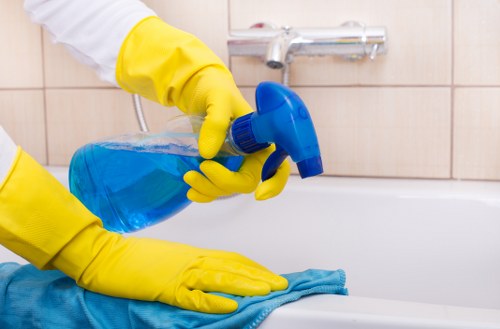
The ideal frequency for communal area cleaning depends on building use, occupancy levels, and the type of space. A busy apartment block with dozens of residents may need daily attention, while a smaller office building may require cleaning several times a week. The more people who pass through a shared area, the more often it should be cleaned.
As a general rule, high-traffic communal spaces benefit from daily cleaning, especially in entrances, corridors, and lifts. Less frequently used areas may only need weekly attention, but they should still be inspected regularly. Periodic deep cleaning is also important to address build-up that routine tasks may not fully remove.
For example, a building might follow a plan such as:
- Daily: sweeping, mopping, bins, and touchpoint cleaning
- Weekly: polishing, glass cleaning, detailed dusting, and spot treatment
- Monthly: deeper cleaning of skirting, corners, vents, and harder-to-reach areas
- Quarterly: specialist floor care or shampooing where required
The best communal area cleaning schedule is one that matches how the building is actually used. A flexible approach helps maintain high standards without wasting time or resources.
Factors That Affect Cleaning Frequency
Several factors influence how often communal cleaning should happen, including seasonality, weather conditions, resident numbers, opening hours, and the presence of children, pets, or visitors. In winter, for instance, mud and moisture may increase the need for entrance and floor cleaning. In summer, dust and outdoor debris may become more visible.
Professional Standards and Best Practices
Effective communal area cleaning is about more than wiping visible dirt. A professional standard involves following a structured process, using safe products, and maintaining attention to detail. When these elements come together, the results are cleaner, more hygienic, and more durable.
A strong cleaning routine often begins with a site-specific checklist. This helps ensure that all key locations are covered, from floor edges to touchpoints and glass surfaces. Checklists are especially useful in larger properties where multiple cleaners may work across different zones. They reduce inconsistency and help maintain quality.
Good practice also means using suitable equipment. Microfiber cloths, HEPA-filter vacuums, color-coded cleaning tools, and effective floor care products all contribute to better outcomes. Communal area cleaning should be performed with care for both hygiene and material preservation. Harsh chemicals or incorrect tools can damage surfaces or leave residues behind.
Best-practice principles often include:
- Cleaning from top to bottom
- Using a color-coded system to prevent cross-contamination
- Prioritizing touchpoints and high-risk zones
- Reporting damage, hazards, or maintenance issues quickly
- Using eco-friendly products where possible
Another important factor is communication. In occupied buildings, cleaners should work respectfully and keep disruption to a minimum. Clear schedules, visible signage when floors are wet, and professional conduct all contribute to a positive experience for users of the space.
Health, Hygiene, and Compliance
While communal area cleaning is often discussed in terms of appearance, the hygiene element is just as important. Shared environments can harbor bacteria, allergens, and dust that affect air quality and wellbeing. Regular cleaning helps reduce these risks and supports a healthier setting for everyone who uses the property.
In some buildings, compliance and duty-of-care expectations also come into play. Property managers may need to demonstrate that reasonable cleaning measures are in place. A reliable communal area cleaning service can help support those expectations through regular visits, documented tasks, and consistent standards.
Choosing the Right Communal Area Cleaning Service
Selecting the right provider can make a major difference to the quality and reliability of the results. A strong service should do more than send someone with a mop. It should bring planning, professionalism, and responsiveness to the job. When comparing options, look for a team that understands the unique demands of shared spaces.
Important qualities to look for include:
- Experience with residential and commercial communal areas
- Clear schedules and task lists
- Flexible service options
- Fully trained staff
- Transparent quality checks
- Use of safe and appropriate products
It is also helpful to choose a provider that understands how to adapt to different property types. For instance, a modern office block may need a different approach from a converted apartment building or student residence. The best communal area cleaning providers tailor their methods to suit the building, the traffic levels, and the expectations of the occupants.
Questions to ask before booking
Before choosing a service, ask how they handle emergency spillages, what their routine checklist includes, and whether they can support deep cleaning when needed. You may also want to know how they monitor quality and how often they review the cleaning plan. These questions can help you find a reliable long-term partner.
Common Challenges in Communal Area Cleaning
Shared environments present a few recurring challenges. One of the most common is high footfall, which means dirt comes back quickly even after a thorough clean. This is why communal area cleaning must be regular and proactive rather than reactive. Waiting until a space looks dirty usually means standards have already slipped.
Another challenge is inconsistency in usage. Some days a building may be quiet, while other days there may be heavy traffic, deliveries, visitors, or maintenance work. Good cleaners and managers need to stay responsive to these changes so the building remains presentable regardless of activity levels.
Limited access can also make cleaning more difficult. In occupied properties, cleaners may need to work around residents or staff, use shared keys, or avoid interrupting business operations. Professional communal cleaning teams manage these constraints by working to agreed schedules and respecting the environment they are cleaning.
How to Overcome These Challenges
Solutions often include adjusting cleaning frequency, introducing more detailed checks during busy periods, using durable entrance mats, and improving waste management. Regular communication with property managers also helps identify recurring problem areas and address them early. The result is a cleaner, safer, and more efficient shared space.
Eco-Friendly Approaches to Communal Area Cleaning
Many property owners now prefer cleaning approaches that are more environmentally conscious. Eco-friendly communal area cleaning may involve biodegradable products, reduced chemical usage, water-saving techniques, and reusable cleaning materials where appropriate. These choices can support sustainability goals without compromising on cleanliness.
Green cleaning is especially appealing in residential and office settings where occupants may be sensitive to harsh odors or residues. Using safer products can improve comfort while still delivering strong results. It can also reduce environmental impact and contribute to a healthier indoor atmosphere.
Eco-conscious cleaning practices can include:
- Microfiber systems that reduce waste
- Low-toxicity cleaning solutions
- Efficient equipment that uses less water and energy
- Targeted cleaning to avoid overuse of products
For many organizations, eco-friendly cleaning is not just a preference but part of a wider sustainability strategy. Choosing a communal area cleaning approach that supports these values can strengthen a property’s image while remaining practical and effective.
Why sustainability matters
Sustainable cleaning methods can help reduce waste, lower long-term costs, and improve indoor environmental quality. This makes them a smart option for buildings that want to balance performance with responsibility. A cleaner environment and a lighter environmental footprint can work hand in hand.
Creating a Better Experience for Residents and Occupants
Well-executed communal area cleaning improves more than cleanliness — it improves how people feel about the space they use every day. Residents appreciate entering a tidy hallway, staff enjoy a polished office entrance, and visitors notice when a building is orderly and well cared for. These small details contribute to a better overall experience.
In residential buildings, a clean communal area can reduce complaints and create a stronger sense of community pride. In commercial settings, it supports productivity and professionalism. In both cases, people are more likely to respect a building that is clearly maintained. This can create a positive cycle: cleaner spaces encourage better behavior, which helps keep the space cleaner for longer.
That is why many managers treat communal area cleaning as part of the property’s identity. It is not simply an operational task; it is part of how the building is experienced. A reliable cleaning routine helps set the tone from the moment someone steps through the door.
The long-term value of consistency
Consistent cleaning helps preserve finishes, reduce repairs, and maintain the appearance of the property over time. It also helps prevent small issues from becoming larger ones. Whether the goal is to protect investment value or improve daily living, regular communal area cleaning is a practical and worthwhile commitment.
If you want shared spaces to look better, feel fresher, and support healthier use, now is the time to act. Book your service now and keep your building maintained to a higher standard. Contact us today to arrange a cleaning plan that suits your property’s needs.