Regular Cleaning: Why Consistent Maintenance Matters for Every Space
Regular cleaning is one of the simplest and most effective ways to protect the comfort, appearance, and long-term value of any space. Whether it is a home, office, retail location, or shared building, consistent cleaning habits help reduce clutter, improve hygiene, and create a more welcoming environment. In today’s busy world, many people search for practical ways to keep spaces fresh without letting dirt and grime build up, and that is where regular cleaning becomes essential.
Unlike occasional deep cleaning, regular cleaning focuses on routine upkeep that prevents problems before they grow. It keeps surfaces sanitary, minimizes odors, reduces allergens, and supports a more organized lifestyle. For businesses, regular cleaning can also influence customer impressions, employee morale, and workplace productivity. For homeowners, it creates peace of mind and a healthier daily environment.
When cleaning is handled consistently, it becomes easier to maintain a property, spot issues early, and avoid the stress of overwhelming messes. From dusting and vacuuming to sanitizing high-touch areas, regular cleaning is not just about appearance; it is about preserving quality, safety, and comfort over time.
What Regular Cleaning Really Means
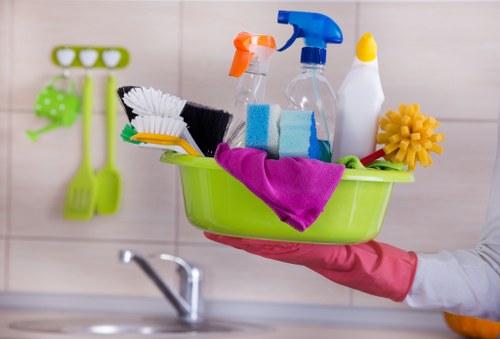
Regular cleaning refers to scheduled tasks performed at consistent intervals to keep a space tidy, hygienic, and functional. These tasks may be daily, weekly, or monthly depending on the setting and level of use. The idea is simple: instead of waiting until dirt, dust, and clutter become overwhelming, you stay ahead of them through routine care.
This approach is especially important in environments with frequent traffic, shared surfaces, or strict hygiene expectations. In homes, regular cleaning might include sweeping floors, wiping counters, and disinfecting bathrooms. In offices, it could involve emptying bins, cleaning desks, and maintaining common areas. The goal is always the same: prevent buildup and preserve cleanliness.
Regular cleaning also supports a healthier indoor environment by reducing dust, bacteria, and other contaminants that can accumulate quickly. When performed consistently, it becomes far more manageable than tackling major messes all at once. That is why many property owners now treat regular cleaning as part of essential maintenance rather than an optional chore.
Why Regular Cleaning Is Important
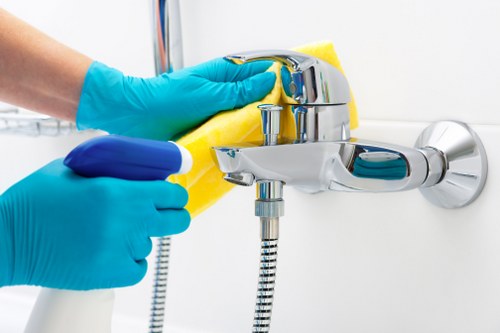
One of the biggest benefits of regular cleaning is that it helps prevent long-term damage. Dust, grease, moisture, and debris can wear down surfaces over time if they are ignored. Countertops may lose their shine, floors may dull, and fixtures may deteriorate faster. Routine care protects these surfaces and helps them last longer.
Another major reason regular cleaning matters is health. Dust, allergens, mold spores, and bacteria can build up in unclean spaces, especially in kitchens, bathrooms, and high-traffic areas. A consistent cleaning routine can reduce these risks and make indoor spaces feel fresher and safer. This is particularly important for households with children, seniors, pets, or anyone with allergies.
There is also a strong psychological benefit. Clean, organized spaces often feel calmer and more productive. Many people find that regular cleaning reduces stress because they do not have to deal with constant mess or clutter. In business settings, regular cleaning can support better focus, improve the customer experience, and reinforce a professional image.
Key advantages of regular cleaning
- Improves hygiene and lowers the spread of germs
- Reduces allergens such as dust and pet dander
- Preserves flooring, furniture, and fixtures
- Creates a more pleasant and organized environment
- Saves time by preventing major buildup
- Supports productivity and comfort in shared spaces
Regular Cleaning in Homes
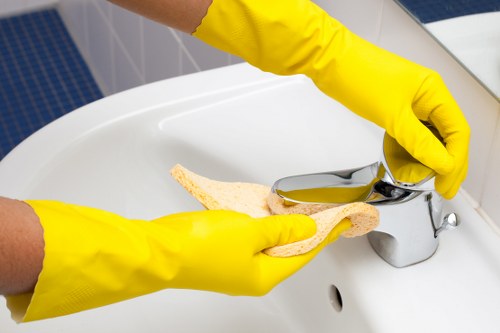
For homeowners, regular cleaning is the foundation of a comfortable living space. Daily life naturally creates messes, from crumbs in the kitchen to dust on shelves and footprints on floors. Without routine cleaning, small problems quickly become bigger and more difficult to manage. That is why a simple, repeatable cleaning schedule can make home care much easier.
Bedrooms, bathrooms, kitchens, and living areas all benefit from consistent attention. Kitchen counters should be wiped down daily to prevent grease and bacteria buildup. Bathrooms need regular disinfecting to keep sinks, toilets, and showers sanitary. Living rooms often require vacuuming and dusting to keep surfaces looking fresh. These tasks may seem small, but together they make a noticeable difference.
Regular cleaning also helps families maintain order. When everyone knows where things belong and cleaning is done on a set schedule, the home feels more functional and less chaotic. That structure makes it easier to enjoy the space rather than constantly managing it. In many households, regular cleaning becomes a practical habit that supports daily comfort and long-term organization.
Simple home cleaning tasks to repeat often
- Wipe kitchen counters and dining surfaces
- Sweep or vacuum floors in high-traffic areas
- Clean bathroom sinks, mirrors, and toilets
- Dust furniture, shelves, and electronics
- Take out trash and recycling regularly
- Wash bedding and refresh linens as needed
Regular Cleaning in Offices and Workplaces
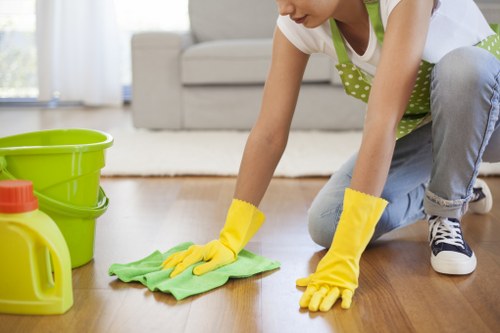
Workplaces require regular cleaning for both practical and professional reasons. Employees spend many hours at work each week, and a clean environment has a direct impact on comfort, concentration, and morale. A tidy office can help people stay focused and feel more confident in the environment where they work.
High-touch areas in offices should receive particular attention. Door handles, keyboards, phones, meeting tables, shared equipment, and breakroom surfaces can all collect germs quickly. Regular cleaning of these spaces supports better hygiene and may help reduce the spread of illness among employees. This is especially relevant in shared or open-plan workspaces.
Clients and visitors also notice cleanliness immediately. A well-maintained lobby, conference room, or reception area can create a positive first impression and reflect attention to detail. In competitive industries, regular cleaning is part of the overall brand image. It communicates professionalism, reliability, and care.
Why businesses prioritize regular cleaning
- It helps maintain a professional appearance.
- It supports a healthier work environment.
- It reduces distractions caused by clutter and mess.
- It protects equipment and surfaces from premature wear.
- It improves employee satisfaction and visitor impressions.
How Regular Cleaning Supports Health and Hygiene
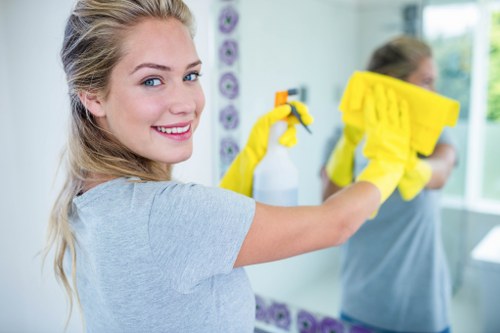
One of the strongest reasons to prioritize regular cleaning is its impact on health and hygiene. Dirt may be visible, but many harmful contaminants are not. Microbes, allergens, and fine dust particles can remain on surfaces and circulate through the air long after a room looks tidy. Consistent cleaning helps remove these invisible irritants before they become a larger issue.
Kitchens and bathrooms are especially important areas for hygiene-focused cleaning. Food preparation surfaces, sinks, toilets, and shower areas can all harbor germs if ignored. Regular cleaning with appropriate products helps lower contamination risks and supports better sanitation. In shared spaces, this becomes even more important because many people may touch the same surfaces throughout the day.
Another health-related benefit is improved air quality. Dust and debris can accumulate in carpets, vents, upholstery, and corners, leading to stale air and increased allergy symptoms. Routine vacuuming, dusting, and surface cleaning can make the air feel cleaner and more comfortable. For many households and businesses, this is one of the most noticeable advantages of maintaining a regular cleaning schedule.
Health-focused cleaning habits to maintain
- Disinfect high-touch surfaces frequently
- Clean spills immediately to prevent stains and bacteria growth
- Vacuum carpets and rugs regularly
- Wash hands before and after cleaning tasks
- Use proper cleaning products for each surface
- Keep ventilation areas free from dust buildup
Regular Cleaning vs. Deep Cleaning
Many people confuse regular cleaning with deep cleaning, but they serve different purposes. Regular cleaning is the ongoing routine that keeps a space neat and sanitary. Deep cleaning is more detailed and usually happens less often. Both matter, but regular cleaning is what keeps everyday messes under control so deep cleaning becomes less demanding.
For example, regular cleaning might include wiping counters, vacuuming floors, and cleaning mirrors. Deep cleaning might involve scrubbing grout, moving furniture, washing baseboards, or cleaning behind appliances. Without regular cleaning, deep cleaning becomes much harder because dirt has more time to settle and harden. This is one reason why cleaning schedules are so effective.
In short, regular cleaning keeps a property in good shape between deeper maintenance sessions. It is the daily or weekly care that prevents a home or workplace from feeling neglected. When both approaches are used together, the result is a cleaner, healthier, and more manageable environment.
Basic difference between the two
- Regular cleaning: routine upkeep done frequently
- Deep cleaning: intensive cleaning done periodically
- Regular cleaning: prevents buildup
- Deep cleaning: removes stuck-on grime and hidden dirt
Building an Effective Regular Cleaning Schedule
An effective routine makes regular cleaning feel easier and more natural. Instead of trying to clean everything at once, break tasks into manageable categories. Daily tasks should focus on visible mess and hygiene, while weekly tasks can cover deeper surface care. Monthly or seasonal tasks may include areas that need less frequent attention.
The best cleaning schedule depends on the size of the space, how many people use it, and the level of activity inside it. A family home may need more frequent kitchen and bathroom cleaning, while a business may need daily sanitation of shared areas. The key is consistency. Regular cleaning works best when it becomes part of the normal routine rather than a last-minute reaction.
It also helps to use a checklist. Lists keep cleaning organized and make it easier to track what has been done. Whether you prefer a paper checklist or a digital planner, a clear routine reduces stress and keeps tasks from being forgotten. This is one of the simplest ways to stay on top of regular cleaning without feeling overwhelmed.
Sample cleaning schedule
- Daily: dishes, counters, sinks, trash, and quick floor cleaning
- Weekly: vacuuming, mopping, dusting, bathrooms, and bedding
- Monthly: appliances, vents, baseboards, and storage areas
- Seasonally: windows, closets, deep organizing, and detailed surface care
Time-Saving Tips for Regular Cleaning
Many people believe cleaning has to take a long time to be effective, but regular cleaning actually saves time when done consistently. Small efforts spread throughout the week are far easier than spending an entire day trying to catch up. The trick is to focus on high-impact areas and use efficient habits that reduce repeat work.
One useful method is to clean as you go. After cooking, wipe surfaces immediately. After using a bathroom, quickly rinse visible residue. After working at a desk, put away papers and sanitize the area. These small actions prevent accumulation and make regular cleaning feel less demanding.
Another helpful strategy is to use the right tools. Microfiber cloths, multipurpose cleaners, vacuum attachments, and storage caddies can all speed up the process. When supplies are easy to reach, cleaning becomes more convenient. This can turn regular cleaning into a smooth routine rather than a disruptive task.
Practical ways to save time
- Keep cleaning supplies in frequently used areas
- Set a timer for short cleaning sessions
- Focus on one room at a time
- Use baskets or bins to reduce clutter quickly
- Handle small spills and messes immediately
- Create a repeatable routine for daily chores
Regular Cleaning and Property Value
Regular cleaning is also tied to property value and long-term preservation. A well-kept home or commercial space tends to age better than one that is neglected. Stains, dust, mold, and grease can all cause wear over time. Routine care helps protect finishes, furnishings, and structural elements from unnecessary damage.
For homeowners planning to rent, sell, or simply maintain their investment, regular cleaning is a smart strategy. Clean surfaces, fresh floors, and well-maintained rooms make a stronger impression and signal that the property has been cared for. Buyers and tenants often notice cleanliness before anything else, which makes regular cleaning a meaningful part of property upkeep.
Businesses also benefit from this approach. A clean workplace can reduce the need for costly repairs or replacements and can help maintain the appearance of equipment and interiors. In this way, regular cleaning is not just a housekeeping task; it is a long-term maintenance habit with financial benefits.
Long-term value benefits
- Extends the life of surfaces and materials
- Helps reduce repair and replacement costs
- Improves appearance for visitors, customers, and guests
- Supports better maintenance planning
- Encourages a consistent standard of care
Choosing the Right Products for Regular Cleaning
Product selection matters because not all cleaning supplies are suitable for every surface. Using the wrong product can damage finishes, leave residue, or reduce effectiveness. For regular cleaning, it is best to choose products that are safe, efficient, and appropriate for the areas being cleaned.
Multipurpose cleaners are useful for many routine tasks, while disinfectants are important for high-touch or hygiene-sensitive areas. Gentle cleaners work well on delicate surfaces, while specialized formulas may be needed for glass, stainless steel, wood, or tile. Reading labels and following instructions helps ensure that regular cleaning is both effective and safe.
It is also wise to keep sustainability in mind. Many people now prefer eco-friendly cleaning options that reduce harsh chemical exposure while still maintaining strong cleaning results. Whether you choose conventional or green products, the goal is the same: support a clean environment through consistent, responsible care.
Product selection checklist
- Match the cleaner to the surface type
- Use disinfectants where hygiene matters most
- Avoid mixing chemicals unless instructions allow it
- Keep cloths, brushes, and mop heads clean
- Store products safely and out of reach of children
When to Consider Professional Help
Although many spaces can be maintained through personal routines, some situations benefit from professional support. Large properties, busy workplaces, and spaces with heavy traffic may require extra attention to stay consistently clean. Professional services can help handle tasks that are time-consuming, labor-intensive, or outside the scope of everyday maintenance.
Professional cleaning may also be helpful when a property needs a reset after illness, renovation, seasonal buildup, or a major event. In those cases, regular cleaning still remains important afterward, but expert support can make the transition back to normal easier. Many people use professional help as a supplement to their own routine rather than a replacement.
If you want to maintain a healthier, more organized environment without letting tasks pile up, regular cleaning should remain a priority. For spaces that need extra care, Book your service now and stay ahead of dirt, clutter, and wear. Contact us today to keep your property consistently fresh and well-maintained.
Final Thoughts on Regular Cleaning
Regular cleaning is one of the most practical habits for maintaining a pleasant, healthy, and efficient space. It helps prevent buildup, supports hygiene, protects surfaces, and makes everyday living or working far more comfortable. When cleaning is done consistently, it becomes easier to manage time, reduce stress, and keep a property looking its best.
Whether you are caring for a home, office, or shared facility, regular cleaning delivers lasting value. It improves appearance, supports wellness, and protects your investment over time. The most effective approach is not perfection; it is consistency. Small, repeated actions create cleaner spaces and better experiences every day.
If you are ready to make your environment cleaner and more organized, start with a simple routine and stay committed to it. Contact us today and Book your service now to keep regular cleaning working for you all year long.