Office Cleaning in Modern Workspaces: How Clean Offices Support Productivity, Health, and Brand Image
Office cleaning is more than a routine task; it is a core part of creating a professional, healthy, and productive workplace. In today’s business environment, companies of every size need cleaner spaces that support employee well-being, improve first impressions, and help daily operations run smoothly. Whether you manage a small startup, a shared workspace, a corporate floor, or a multi-level commercial facility, office cleaning directly affects how people experience your business.
From desks and meeting rooms to restrooms, kitchens, carpets, and high-touch surfaces, every part of the workplace benefits from a consistent cleaning strategy. A well-maintained office looks organized, feels welcoming, and reduces the spread of germs. It can also extend the life of furniture, flooring, and equipment while helping businesses meet workplace hygiene expectations.
Office cleaning has also become more important as businesses place greater emphasis on employee comfort and safety. Clean air, sanitized surfaces, and clutter-free environments contribute to better focus and less stress. For clients and visitors, a spotless office sends a clear message: your company values quality, care, and professionalism.
Why Office Cleaning Matters for Every Business

Many businesses underestimate the value of regular office cleaning until dirt, dust, or disorganization begins affecting daily work. A clean environment supports a smoother workflow and helps reduce distractions. Employees can concentrate better when their surroundings are tidy, and managers can maintain a more polished workplace culture.
Another major reason office cleaning matters is health. Shared workspaces naturally collect dust, bacteria, allergens, and viruses. Without proper cleaning, these contaminants can circulate through the office and contribute to illness, absenteeism, and reduced morale. Routine office cleaning plays a key role in minimizing these risks.
There is also the image factor. Visitors, clients, and potential hires often notice the condition of an office immediately. Floors, windows, restrooms, and reception areas all shape their perception of the business. A fresh, organized office can improve confidence in your brand and make every interaction feel more professional.
Core Areas Included in Office Cleaning

Office cleaning services typically cover a wide range of spaces and surfaces. A detailed plan ensures nothing is overlooked and every area receives the appropriate level of care. Different zones require different methods, products, and cleaning frequencies depending on traffic and use.
Common areas in office cleaning usually include desks, conference rooms, reception areas, restrooms, kitchens, hallways, elevators, and break rooms. These spaces are used frequently and can quickly accumulate dust, fingerprints, spills, and waste if they are not maintained regularly.
Here are some of the most important areas to include in an office cleaning schedule:
- Workstations and shared desks
- Computer monitors, phones, and keyboards
- Reception counters and lobby furniture
- Meeting rooms and collaborative spaces
- Restrooms and sink areas
- Kitchenettes, microwaves, and refrigerators
- Carpets, rugs, and hard floors
- Glass doors, windows, and partitions
When each area receives targeted attention, the entire office feels cleaner and functions better.
Daily, Weekly, and Monthly Office Cleaning Tasks
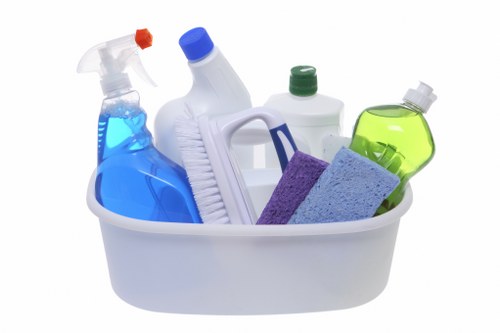
Not every cleaning task needs to happen every day, but consistency is essential. A balanced office cleaning schedule divides work into daily, weekly, and monthly responsibilities so maintenance stays manageable and effective. This approach prevents buildup and keeps the workplace presentable at all times.
Daily tasks usually focus on visible cleanliness and hygiene. These often include trash removal, surface wiping, restroom sanitation, and cleaning shared spaces. Weekly tasks may involve deeper dusting, vacuuming under furniture, polishing floors, and disinfecting high-touch points. Monthly work often includes detailed carpet care, window cleaning, and less frequent deep-cleaning services.
A practical office cleaning routine might look like this:
- Daily: Empty bins, disinfect touchpoints, clean restrooms, wipe desks, and tidy kitchen areas.
- Weekly: Vacuum carpets, mop floors, dust vents, sanitize appliances, and clean glass surfaces.
- Monthly: Deep-clean carpets, polish hard floors, detail furniture, and address overlooked corners.
Consistency is what turns office cleaning from a short-term fix into a long-term workplace advantage.
The Link Between Office Cleaning and Employee Productivity
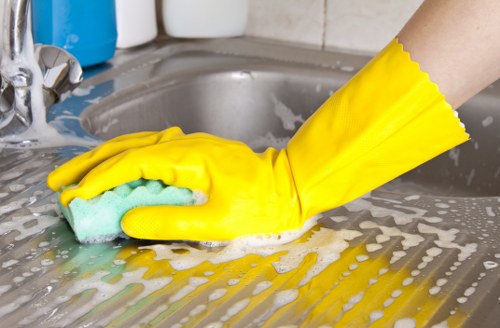
Employees are more likely to feel motivated and focused in a clean, organized workspace. Cluttered desks, dusty shelves, and unpleasant odors can create subconscious stress and make it harder to concentrate. Office cleaning supports productivity by reducing these distractions and improving the overall atmosphere.
There is also a direct connection between cleanliness and time savings. When employees do not have to work around messes or search for supplies in disorganized shared spaces, they can spend more time on meaningful tasks. A tidy workplace also makes meetings, collaboration, and task switching more efficient.
Good office cleaning can even influence morale. People tend to take more pride in a well-maintained environment, and that pride can translate into better habits, stronger teamwork, and a more positive company culture. In that sense, cleaning is not just maintenance; it is part of workplace performance.
Clean offices help employees think clearly, move efficiently, and feel more comfortable throughout the day.
Health and Hygiene Benefits of Professional Office Cleaning

Health and hygiene are among the strongest reasons to prioritize office cleaning. Offices contain many shared touchpoints, including door handles, desks, switches, elevator buttons, and appliances. These surfaces can harbor germs if they are not cleaned and disinfected routinely.
Professional office cleaning helps reduce the spread of bacteria and viruses while also improving indoor air quality. Dust buildup, carpet particles, and allergens can affect breathing comfort, especially in enclosed spaces. Regular dusting, vacuuming, and ventilation care support a healthier office environment for everyone.
Important health-focused office cleaning practices include:
- Disinfecting high-touch surfaces daily
- Cleaning restrooms with approved sanitary products
- Removing dust from vents, blinds, and fixtures
- Vacuuming carpets with HEPA-filter equipment when possible
- Keeping kitchens free from food residue and spills
These steps make a meaningful difference, especially in busy offices where many people share the same equipment and spaces.
Office Cleaning and First Impressions
First impressions form quickly, and office cleanliness is one of the first things people notice. A polished reception area, streak-free glass, spotless floors, and fresh-smelling rooms all create a sense of professionalism. If the office appears dirty or poorly maintained, it can affect trust before a conversation even begins.
For businesses that host clients, partners, candidates, or vendors, office cleaning becomes part of brand presentation. A clean workplace communicates attention to detail, care for people, and respect for visitors’ experience. It also reflects the internal standards of the organization.
Even behind the scenes, office cleaning helps leadership make a better impression on staff. When employees see that management invests in the workplace environment, it can reinforce the message that people matter and that quality is important across the business.
Where visitors notice cleanliness most
Some office areas are more visible than others, and these spaces deserve extra attention. The most noticeable locations include the lobby, reception desk, conference rooms, restrooms, elevators, and shared kitchens. Keeping these areas clean creates a strong and lasting impression.
- Reception and lobby surfaces
- Glass doors and entry points
- Conference room tables and chairs
- Restroom fixtures and mirrors
- Kitchen counters and appliances
How Office Cleaning Supports Workplace Safety
Safety is another important reason to invest in office cleaning. Spills, dust, clutter, and blocked walkways can create avoidable hazards. Regular cleaning helps reduce slip-and-fall risks, improves visibility, and keeps pathways open for employees and visitors.
Clean offices also support fire safety and emergency readiness. When storage areas are organized and corridors remain clear, people can move more easily in urgent situations. A professional office cleaning plan should work alongside general workplace safety procedures rather than simply focusing on appearance.
Well-maintained offices are usually safer offices. That is true for everything from dry floors to cleared exits and properly handled waste.
Safety-focused office cleaning priorities
To improve safety, many businesses emphasize the following cleaning tasks:
- Cleaning spills immediately
- Keeping cables and cords free from dust and obstruction
- Removing waste that may create trip hazards
- Wiping up moisture in kitchens and restrooms
- Maintaining clear access to exits and equipment
Choosing the Right Office Cleaning Approach
Every workplace has different needs, which is why office cleaning should be tailored to the environment. A small professional office may need light daily cleaning and periodic deep cleaning, while a large commercial space may require more intensive schedules and specialized services. The right approach depends on traffic, layout, industry, and expectations.
For example, medical offices, law firms, coworking spaces, financial institutions, and tech companies each have unique cleaning priorities. A law office may focus heavily on reception and meeting room presentation, while a shared workspace may need frequent sanitation of common areas and equipment. The best office cleaning plan reflects how the space is actually used.
Customization is what makes office cleaning efficient, cost-effective, and genuinely useful.
Questions to consider before setting a cleaning plan
- How many people use the office each day?
- Which areas get the most traffic?
- Are there sensitive equipment or specialty surfaces?
- Do employees prepare food on-site?
- How often do clients or visitors come in?
Eco-Friendly Office Cleaning Practices
Many businesses now prefer eco-friendly office cleaning methods because they are better for indoor air quality, employee comfort, and environmental responsibility. Green cleaning does not mean sacrificing performance. Instead, it focuses on choosing effective products and methods that reduce unnecessary harsh chemicals.
Eco-conscious office cleaning can include biodegradable products, microfiber cloths, lower-toxicity disinfectants, and water-saving methods. It also supports a more pleasant work environment by reducing strong chemical smells and residue on surfaces.
Businesses often appreciate green cleaning because it aligns with broader sustainability goals. It can also appeal to employees and clients who value responsible practices. Office cleaning can therefore support both health and environmental priorities at the same time.
Examples of greener office cleaning choices
- Using concentrated cleaning products to reduce waste
- Choosing reusable microfiber materials
- Selecting low-VOC products where appropriate
- Reducing plastic through refill systems
- Improving recycling and waste sorting habits
The Role of Specialized Office Cleaning Services
Some offices need more than routine maintenance. Specialized office cleaning services may be required for carpets, upholstery, windows, floors, post-renovation cleanup, or sanitation after a large event. These services address areas that regular cleaning may not fully cover.
Specialized attention can help extend the life of office assets. Carpet fibers, for instance, can trap dust and wear down if not deep-cleaned periodically. Hard floors may lose shine without proper care. Glass walls and partitions can collect marks that reduce the professional look of the space. Targeted office cleaning helps preserve these materials and keeps the office looking its best.
In many cases, specialized services are most valuable when paired with a steady routine. Daily office cleaning handles the basics, while periodic deep cleaning handles the detail work that keeps the environment fresh over time.
Common specialized services
- Carpet shampooing or extraction
- Floor stripping and polishing
- Window and glass detailing
- Upholstery cleaning
- Post-construction cleanup
- High-level dust removal
Office Cleaning Tips for a More Organized Workplace
Office cleaning becomes easier when the workplace is organized. Small habits can make a major difference in how quickly clutter builds up and how effectively cleaning can be completed. A cleaner office is often the result of both maintenance and smart day-to-day habits.
Encouraging employees to keep personal areas tidy, label shared storage, and return items to designated spaces can reduce mess before it starts. This makes routine office cleaning more efficient and helps the office remain visually appealing throughout the week.
Simple organization and cleaning habits work together to create lasting results.
Helpful workplace habits include:
- Keeping desks clear of unnecessary items
- Storing supplies in labeled cabinets
- Cleaning spills immediately
- Emptying personal trash regularly
- Wiping down shared equipment after use
Why Professional Office Cleaning Is Worth the Investment
Some businesses attempt to manage office cleaning internally, while others rely on professional services. Although internal maintenance may work for very small spaces, professional office cleaning often delivers more consistent, reliable, and detailed results. It also frees staff from duties that pull them away from their main responsibilities.
Professional cleaners bring experience, equipment, and a structured process that can improve efficiency. They know how to handle various surfaces, use the right products, and maintain high standards across different areas of the workplace. For many companies, this expertise makes the investment worthwhile.
There is also the long-term value to consider. Better cleaning practices can reduce wear on flooring, furniture, and fixtures. They can also support a stronger brand image and a more comfortable employee experience. In that sense, office cleaning is not just an expense; it is part of protecting workplace quality.
If your business wants a cleaner, healthier, and more productive environment, now is the time to take office cleaning seriously.
Building a Long-Term Office Cleaning Strategy
A strong office cleaning strategy is built on consistency, observation, and adaptation. Workplaces change over time, and cleaning needs may shift with staffing levels, office layouts, hybrid schedules, or seasonal conditions. A flexible plan helps ensure the office remains clean no matter how the business evolves.
The best strategy includes clear responsibilities, a practical schedule, and regular evaluation. Businesses should decide which tasks happen daily, which need weekly attention, and which require monthly or quarterly deep cleaning. They should also review problem areas such as restrooms, kitchens, and conference rooms to ensure standards stay high.
To build an effective office cleaning strategy, focus on these priorities:
- Identify high-traffic and high-touch areas
- Set a realistic cleaning schedule
- Use suitable products for each surface
- Track recurring problem spots
- Review and improve the plan regularly
Final thoughts on office cleaning
Office cleaning plays a far bigger role in business success than many people realize. It supports health, productivity, safety, and brand perception while helping workplaces feel more organized and welcoming. A clean office is easier to work in, easier to manage, and more impressive to everyone who walks through the door.
Whether you need daily upkeep, weekly sanitation, or periodic deep cleaning, the right approach can make a lasting difference. Prioritizing office cleaning shows that your business values its people, its image, and the quality of its environment. Contact us today or book your service now to create a cleaner workplace that supports your goals every day.